
Home / Safety Standards
EV charging equipment carries sustained electrical loads for extended periods, so protection cannot be treated as an afterthought. VYON plans each installation around electrical safety, equipment compatibility, site conditions, protection devices, and testing before the charging system is energized.
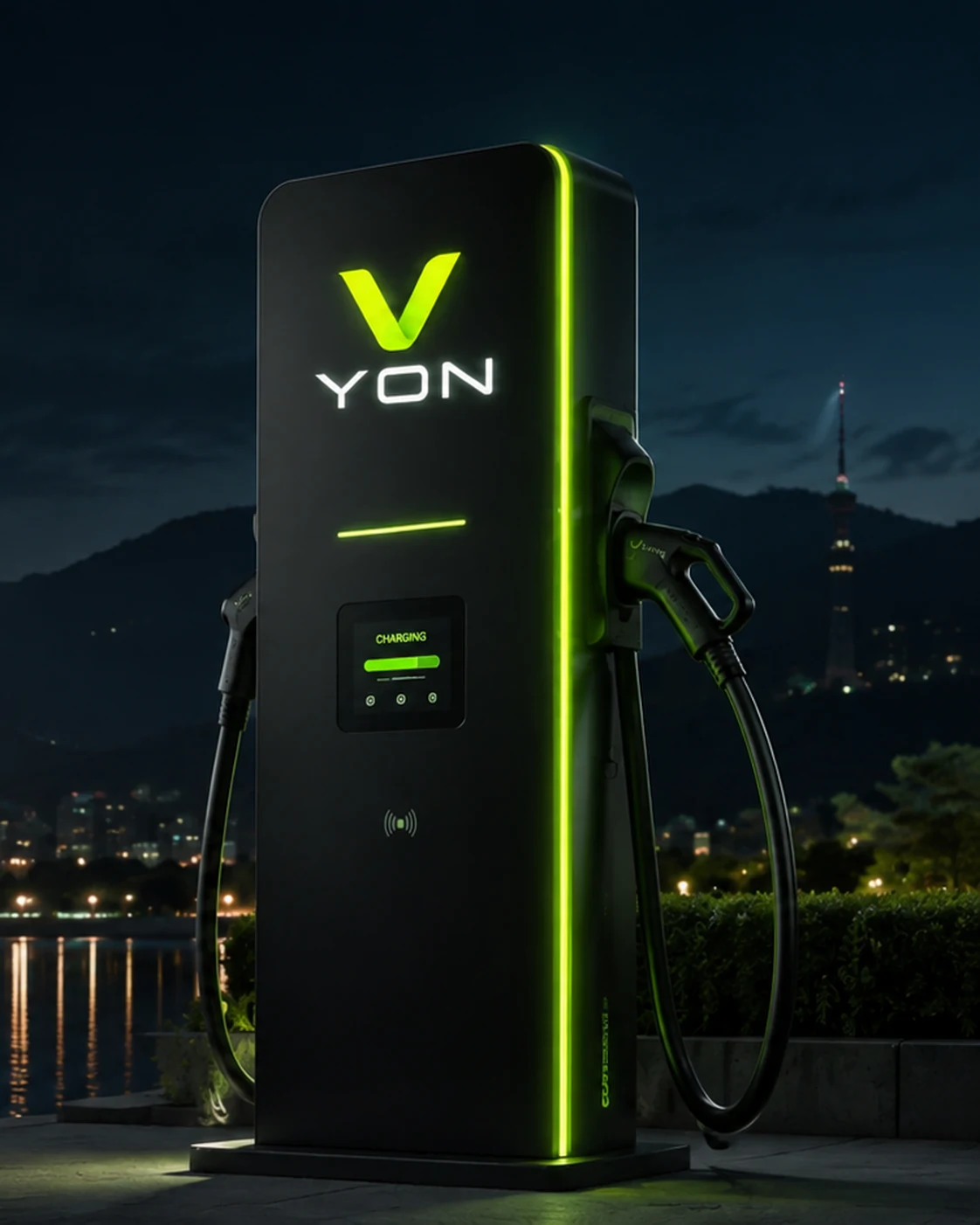
VYON specifies charging equipment and plans installations around recognized international standards covering EV charging systems, connectors, electrical installations, distribution equipment, and environmental protection.
Standard | What It Covers | How It Relates to Charging |
IEC 61851 | Conductive charging systems for electric vehicles, including AC and DC charging | Provides a technical framework for the charging equipment used within EV infrastructure |
IEC 62196 | Plugs, socket-outlets, vehicle connectors, Type 2 and CCS2 interfaces | Helps guide connector and vehicle compatibility for charging equipment |
IEC 60364-7-722 | Electrical installation requirements for EV charging supplies | Informs circuit design, protection, and earthing considerations for charging installations |
IEC 61439 | Low-voltage switchgear and controlgear assemblies | Relevant to distribution equipment supporting multi-charger and larger charging sites |
IEC 60529 | Protection against dust and water through IP classifications | Helps determine appropriate enclosure protection for the equipment environment |
Projects should also account for applicable EV charging regulations and safety requirements alongside the technical conditions of the individual site.
Electrical protection needs to match the charger, supply, environment, and intended use. VYON considers these elements as part of EV charger installation, rather than adding them after equipment has already been selected.
Appropriate residual current protection is selected around the charging equipment and electrical design to help address fault-current risks associated with EV charging circuits.
Earthing arrangements and bonding requirements are considered as part of the electrical installation so exposed conductive parts and charging equipment are incorporated into the wider protection strategy.
Surge protection can help protect charging equipment and supporting electrical systems from transient overvoltages caused by switching events or other disturbances.
Isolation points are planned so charging equipment can be safely disconnected where required, with additional emergency controls considered for relevant DC or public charging environments.
Charging cables, connectors, routing, and parking access are considered together to reduce trip hazards, unnecessary strain, and exposure to vehicle movement.
Clear identification, charger labeling, circuit records, testing documentation, and commissioning information help make the finished installation easier to operate, maintain, and review.
Safety also applies during installation, particularly in occupied commercial properties, active parking areas, and sites where electrical work takes place around normal building operations.
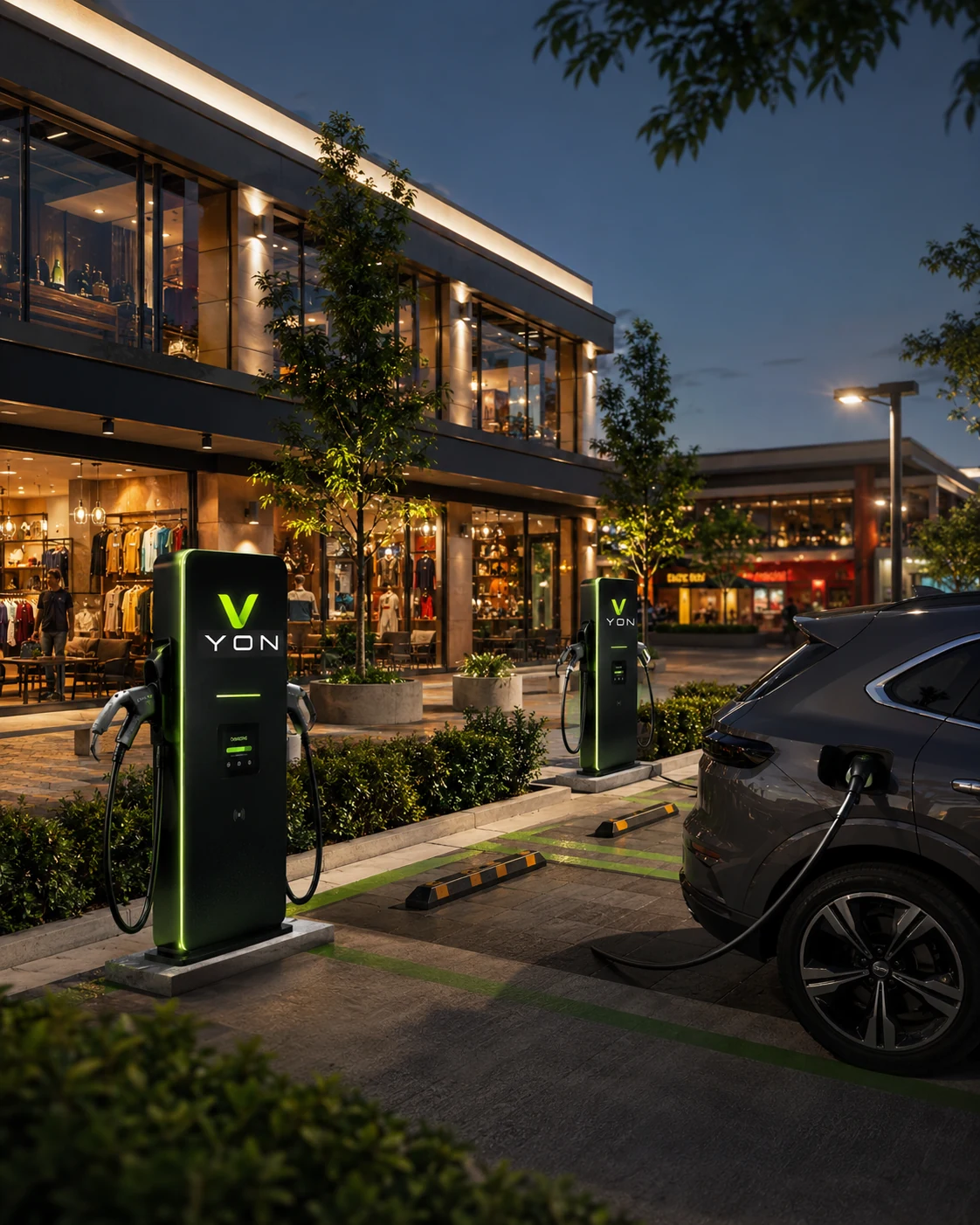
VYON treats installation safety as part of the project itself. Work areas, electrical access, testing, and commissioning need to be controlled before the charging equipment is made available for everyday use.
Tell VYON about your home, business, fleet, or public charging site, and our team can explain the electrical protection, installation planning, and testing considerations that may apply. You can also review our EV charging infrastructure quality approach for the wider site and installation requirements.
Monday to Saturday, 9:00 AM to 6:00 PM. Closed on Sunday.
6, Montgomery Road, Lahore, Pakistan