
Homes, commercial properties, company vehicles, and public-facing sites create very different charging needs across Rawalpindi. VYON plans EV charging solutions in Rawalpindi around parking conditions, electrical capacity, vehicle usage, and the amount of time each EV can realistically remain connected.

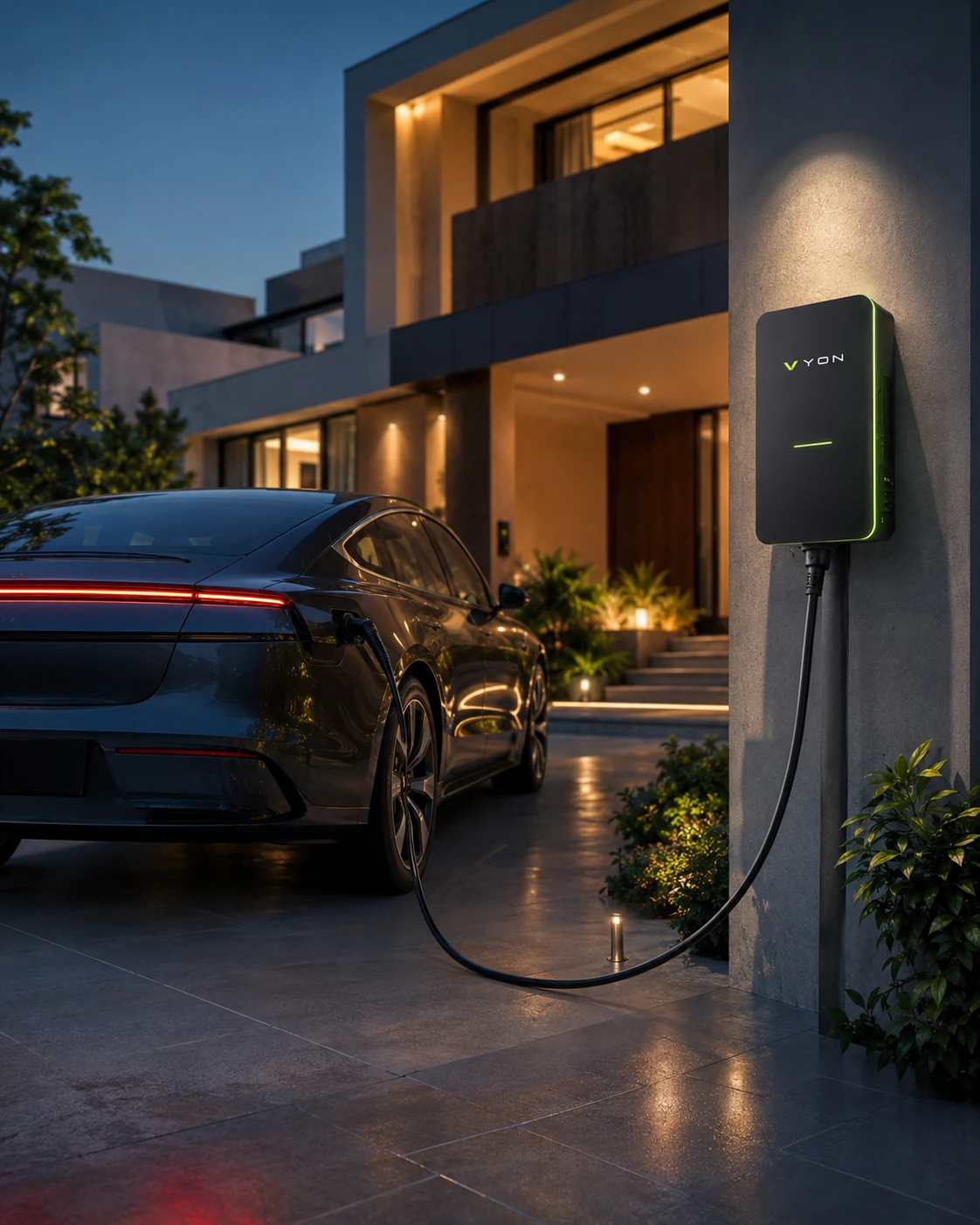
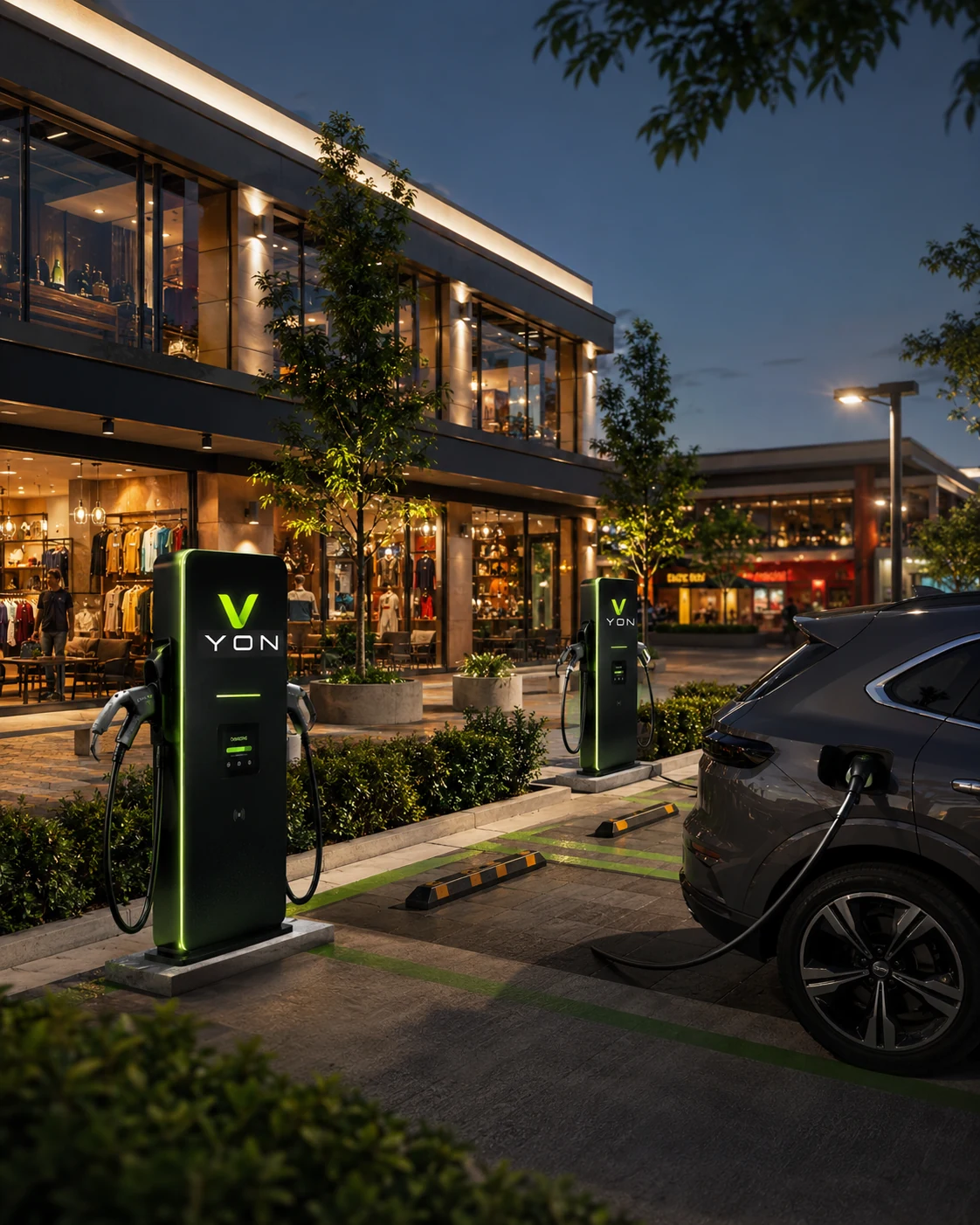
Residential charging around areas such as Bahria Town or Chaklala can revolve around a vehicle returning to the same parking space each evening. A workplace, hotel, retail property, or other commercial site closer to busy business areas may instead need charging for several users arriving and leaving at different times.
That difference shapes the infrastructure. Home EV charging solutions can focus on overnight AC charging and straightforward access, while Commercial EV charging solutions may require multiple chargers, shared electrical capacity, and user management. Once the design is established, EV charger installation in Pakistan can take the project through electrical works, testing, setup, and commissioning.
Rawalpindi charging sites can have very different operating rhythms. A private car may sit parked through the night, employee vehicles may remain for most of the working day, and company or delivery vehicles may return only during defined gaps between routes. Those time windows often matter more than choosing the highest charger rating available.
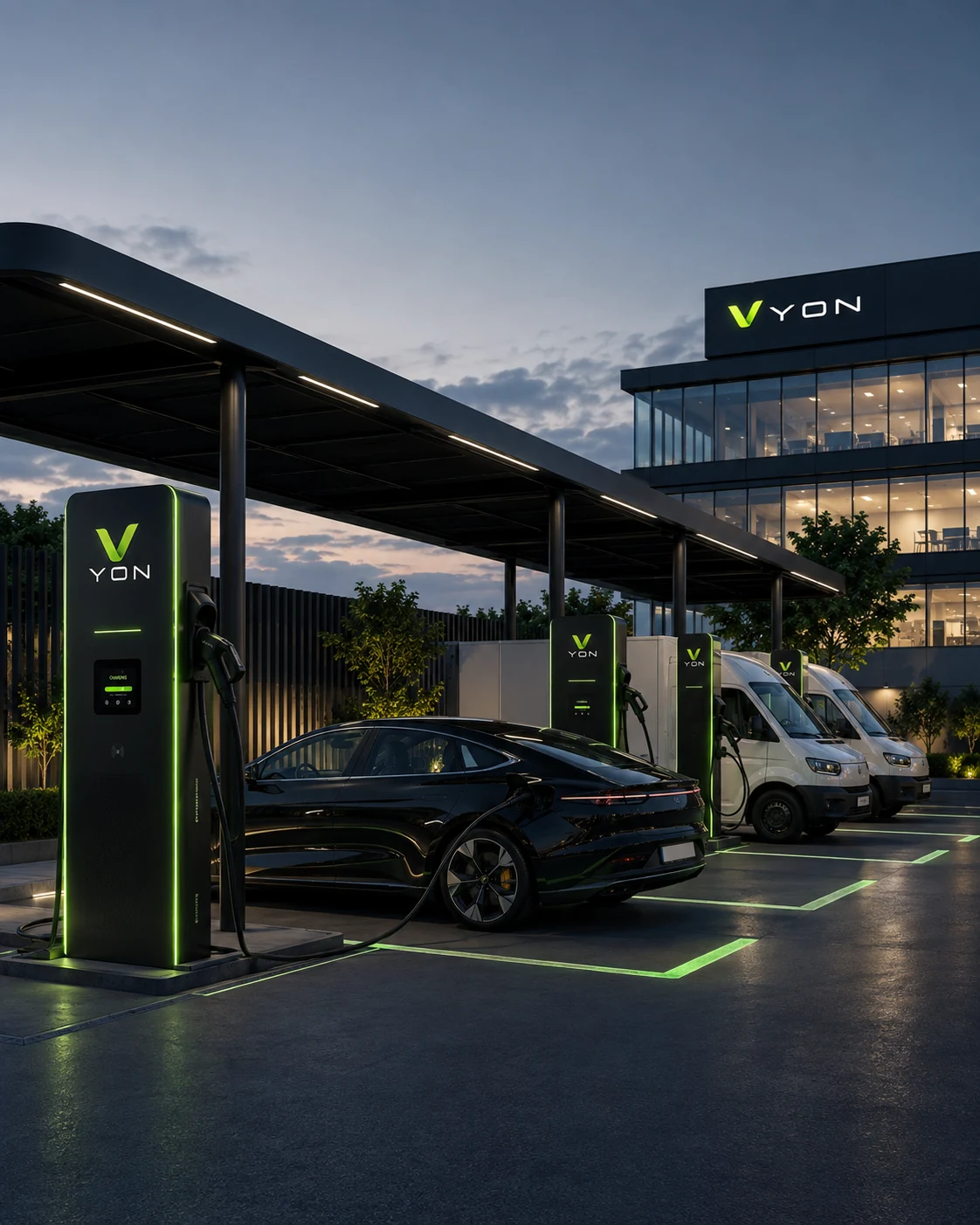
For operational vehicles, Fleet charging infrastructure can be organized around return times, departure priorities, and available depot power. This makes it possible to think about charging as part of vehicle scheduling rather than treating every EV as an independent load competing for electricity at the same moment.
A practical Rawalpindi charging project begins with the electrical and parking conditions already on site. VYON uses those details to shape equipment choice, charger placement, and room for future demand.
EV charging in Rawalpindi can range from a single residential wallbox to multiple chargers serving offices, fleet parking, or commercial properties. The right arrangement depends on the vehicle, parking duration, existing power, user numbers, and how charging demand may change over time.
Start with where the vehicle normally parks, how long it remains there, its AC charging capability, and the electrical capacity available at the property. Cable distance and charger placement also matter because a convenient home setup should be easy to connect without creating awkward routing or unnecessary electrical work.
Yes. Offices, hotels, retail sites, mixed-use properties, and other businesses can plan charging around the people who actually use the parking area. Charger quantity, user access, dwell time, available electrical power, and expected simultaneous use should all be reviewed before deciding on the final setup.
Fleet charging can be coordinated around route schedules, return times, departure priorities, and available depot capacity. Vehicles that remain parked longer may not need maximum charging power immediately, allowing charging demand to be spread across different windows instead of placing the full fleet load on the site at once.
Not necessarily. Some sites may already have enough capacity for the proposed charging load, while others may need additional cabling, protection, distribution changes, or other upgrades. A site assessment identifies what the existing system can support before unnecessary electrical work is added to the project scope.
Yes, where compatible chargers and management systems are selected. Smart charging can help coordinate power between several charging points, monitor usage, and reduce simultaneous demand. This can be useful for workplaces, commercial parking, shared residential environments, and fleet sites where multiple EVs may connect during overlapping periods.
Considering EV charging for a home, business, fleet, or public site in Rawalpindi? Share the property and vehicle details with us, or contact VYON to discuss what the location may require.