
Residential properties, commercial sites, fleet parking, and public-facing locations in Multan can all require different charging setups. VYON plans EV charging solutions in Multan around vehicle use, parking time, electrical capacity, and the amount of charging each site is expected to support.
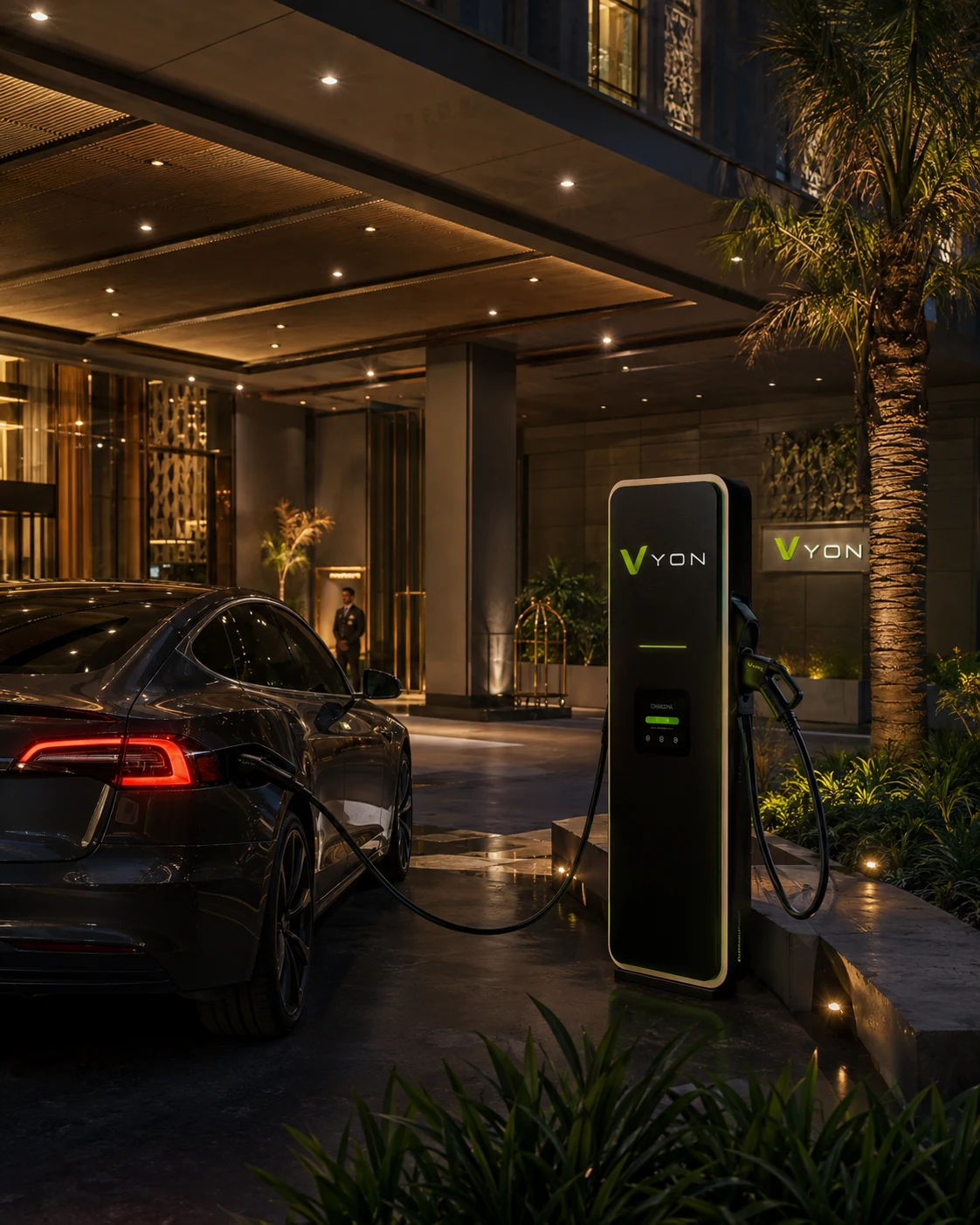
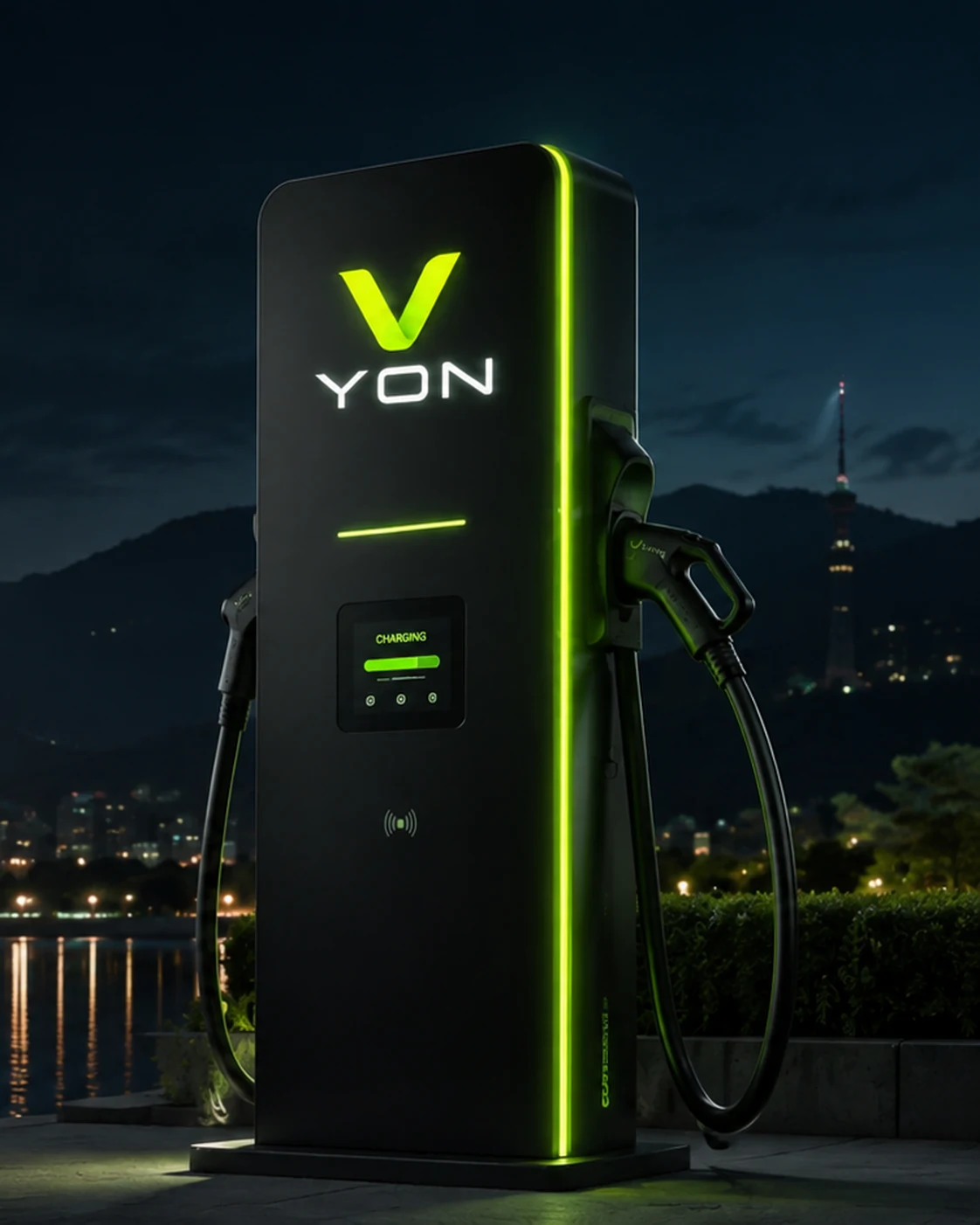
A private EV parked overnight in areas such as DHA Multan or Gulgasht may need a straightforward AC charging setup, while an office, hotel, retail property, or larger commercial site can require several charging points serving different users throughout the day.
That difference shapes the infrastructure. Home EV charging solutions can be planned around routine overnight parking, while Commercial EV charging solutions may need to account for customer dwell time, employee access, charger quantity, and shared electrical demand. Projects ready for deployment can move into EV charger installation in Pakistan once the site requirements are clear.
Charging speed only becomes useful when it matches the way drivers use the property. A vehicle parked at home overnight, a customer stopping at a commercial destination, and a driver using a public charging site can each have very different expectations for how quickly energy needs to be delivered.
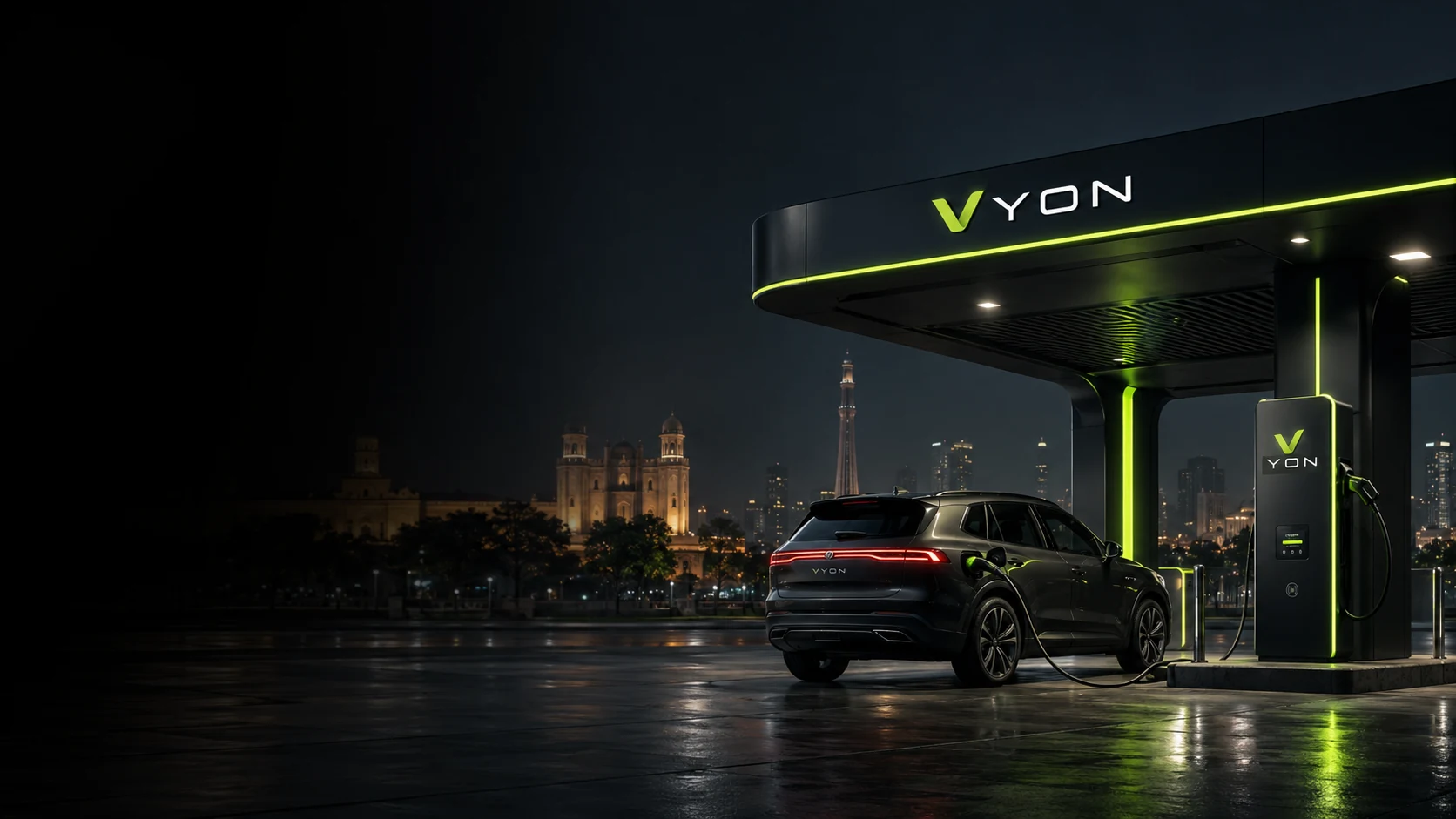
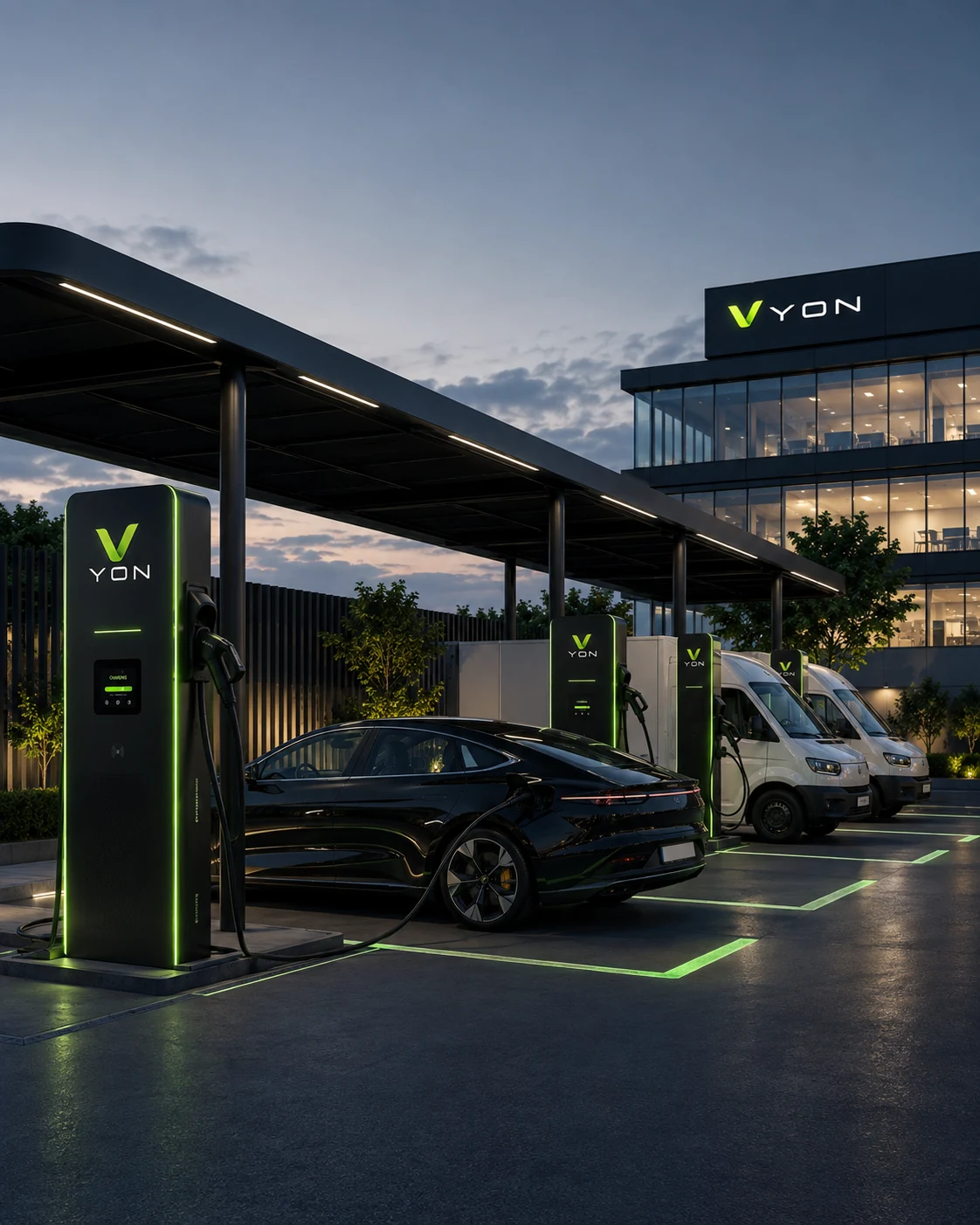
That is especially important for locations considering Public EV charging infrastructure. Vehicle access, parking turnover, expected dwell time, site visibility, electrical capacity, and charger availability all influence whether AC charging, faster DC charging, or a mixed setup makes sense for the property.
A Multan charging project works better when the property conditions come first. VYON reviews the practical details that shape charger selection, placement, and future infrastructure growth.
EV charging in Multan can serve private drivers, workplaces, hospitality sites, commercial properties, fleets, and public locations. The right configuration depends on the vehicles involved, parking behavior, electrical capacity, charger access, and how demand is expected to develop.
The right home charger depends on the vehicle’s AC charging capability, daily mileage, overnight parking time, and the electrical capacity available at the property. Charger placement and cable distance also matter because a residential setup should remain convenient to connect without creating unnecessary electrical work.
Yes. Offices, hotels, retail properties, mixed-use sites, and other businesses can plan charging around customer visits, staff parking, available power, and the number of users expected to charge at the same time. The final setup should reflect actual site activity rather than a fixed package.
Yes, if the site and use case support both. AC charging can work well where vehicles remain parked for longer periods, while DC charging may suit shorter visits or faster turnaround. Electrical capacity, vehicle compatibility, expected demand, and parking behavior should guide the charger mix.
The starting point is the existing electrical supply, connected load, parking arrangement, proposed charger location, cable route, and expected charging demand. These details help determine whether the site can support the planned system directly or whether additional electrical or civil work should be included.
Yes. A phased approach can work well where current demand is still developing. The important part is planning electrical capacity, parking layout, cable routes, and possible future charger positions early so additional charging points can be introduced later without unnecessary disruption or rework.
Planning EV charging for a home, business, fleet, or public site in Multan? Share the basic property and vehicle details with VYON, or contact VYON to discuss what the location may need.