
Home / Infrastructure Quality
The charger is the part drivers see. What determines how the installation performs over time is everything supporting it: electrical capacity, cabling, protection, foundations, placement, commissioning, and the conditions surrounding the site. VYON brings those details into the project before switch-on.

Reliable infrastructure is built through a series of decisions that happen before the charger becomes operational. VYON treats EV charger installation as an electrical and site-infrastructure project rather than simply an equipment mounting job.
Existing building demand and available electrical capacity are reviewed against the proposed charging load, helping determine what the site can support now and how future charger growth may affect it.
Cable sizing, distance, routing, physical protection, and installation conditions are considered together. The route should support the charging load without creating unnecessary exposure, obstruction, or difficult maintenance access.
Where chargers require pedestals, plinths, trenching, bollards, or other civil work, the physical installation is planned around equipment stability, vehicle movement, drainage, and the surrounding parking environment.
Charging circuits, breakers, isolation, residual current protection, surge considerations, and distribution requirements form part of the electrical plan. Relevant EV charging regulations and safety considerations are addressed within the installation scope.
Cable management, charger positioning, labeling, testing, configuration, and operating guidance are completed before the charging point is handed over for normal use.
Outdoor EV charging infrastructure in Pakistan may operate through prolonged heat, airborne dust, direct sunlight, and periods of heavy rain. Equipment selection, positioning, drainage, protection, and electrical design should reflect those conditions from the planning stage rather than being considered after installation.
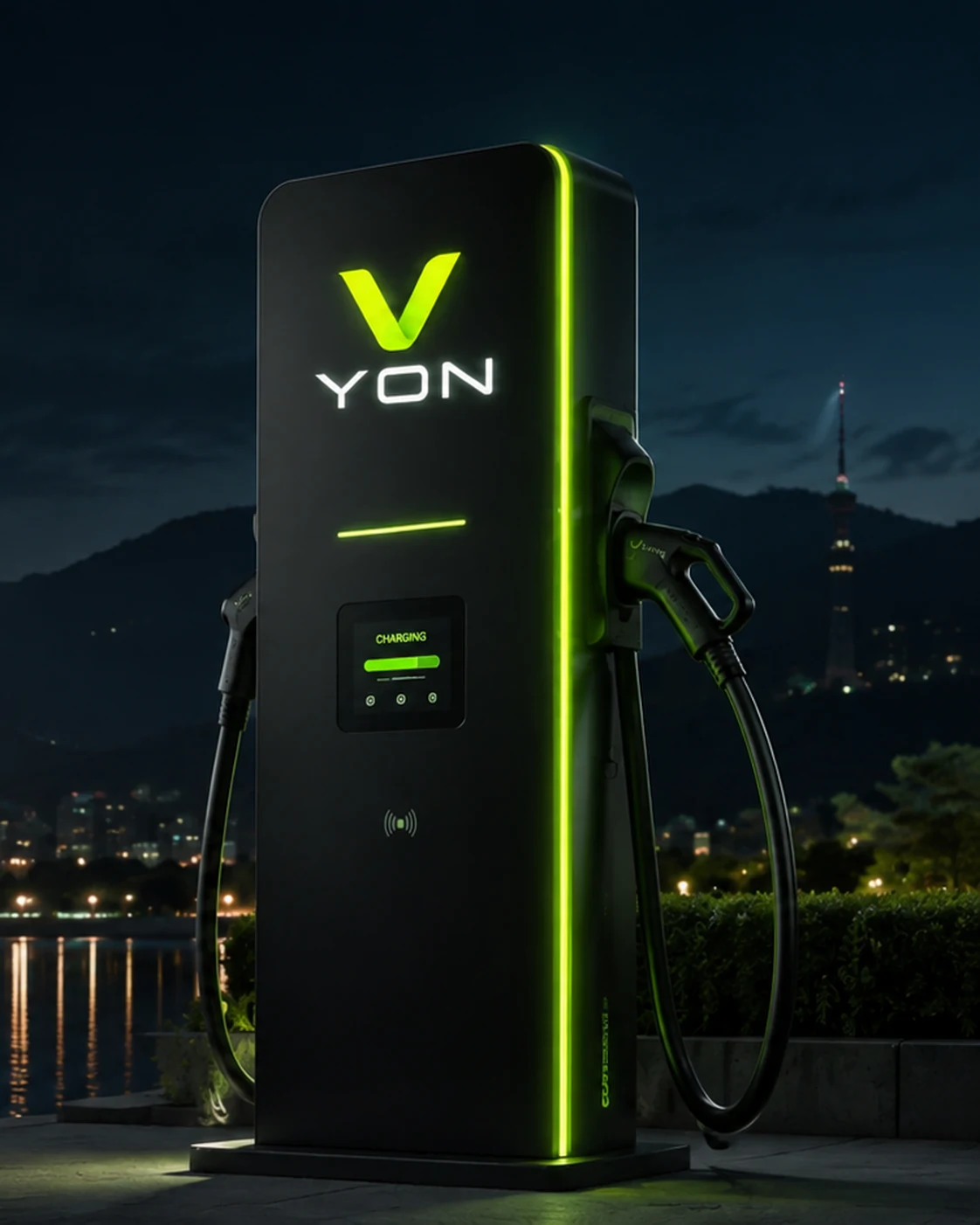
A charger positioned outdoors faces a different environment from a wallbox inside covered parking. VYON considers the exposure of the site alongside electrical demand so equipment and supporting infrastructure are suited to where they will actually operate.
Infrastructure quality is easier to protect when checks happen throughout the project rather than only after the charger has been switched on.
The proposed charger, electrical capacity, cable route, protection requirements, parking arrangement, and installation scope are reviewed before physical work begins.
Electrical and civil work can be checked at key stages so cable routing, mounting, connections, protection, and charger placement remain consistent with the approved site plan.
The completed charging system is tested and commissioned before normal operation. Configuration, supported connected functions, and practical operating guidance can then be completed as part of the handover.

Homes, workplaces, commercial destinations, fleets, and public sites all place different demands on charging infrastructure. Commercial EV charging may involve several users and shared electrical capacity, while a residential or public installation can bring an entirely different set of site conditions. Tell VYON what kind of property you are planning for, and we can start with the electrical and physical conditions that determine what belongs there.