
Home / Public & Highway EV Charging
Public charging must serve drivers with different vehicles, battery levels, journey plans, and time constraints. VYON develops public EV charging infrastructure in Pakistan for urban locations, highway corridors, fuel stations, parking facilities, and destinations where accessible charging can support everyday and intercity electric mobility.
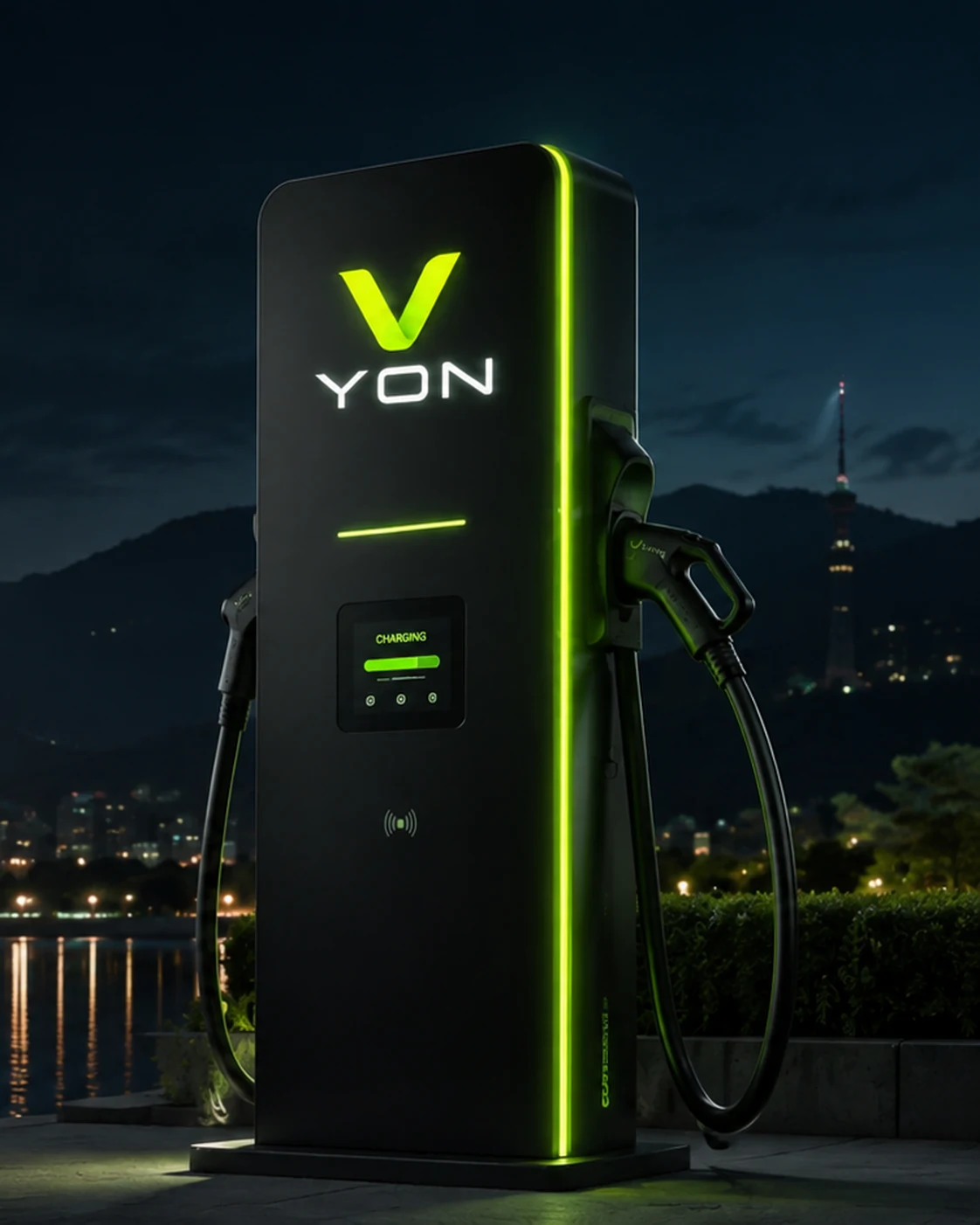
The usefulness of a charging station depends heavily on its location. Driver traffic, stopping time, accessibility, available power, surrounding amenities, and route relevance all influence whether a site should support destination charging, faster DC charging, or a combination of both.
Route-side charging can give EV drivers practical stopping points between cities, with charger speed and capacity planned around shorter dwell times and continued travel.
Existing fuel and service stations already serve traveling motorists, making selected locations potential sites for fast charging infrastructure alongside familiar driver amenities.
Busy city locations can support public charging for drivers who cannot rely entirely on private home charging or need additional energy during the day.
Parking facilities create opportunities to charge while vehicles are already stationary, with AC or DC infrastructure selected according to typical parking duration and turnover.
Hotels, retail locations, restaurants, and mixed-use sites can combine Commercial EV charging with wider public access where the property and operating model support it.
Rest areas, hospitality sites, and other frequently visited stops can become useful nodes within the wider VYON charging network as charging coverage develops.
Infrastructure across different journeys
Charging matched to dwell time
Unlike home charging, public infrastructure often serves drivers who are away from their normal charging location. Charger speed, site throughput, access, power availability, and station reliability therefore need to be considered together rather than treating every public site as the same type of charging stop.
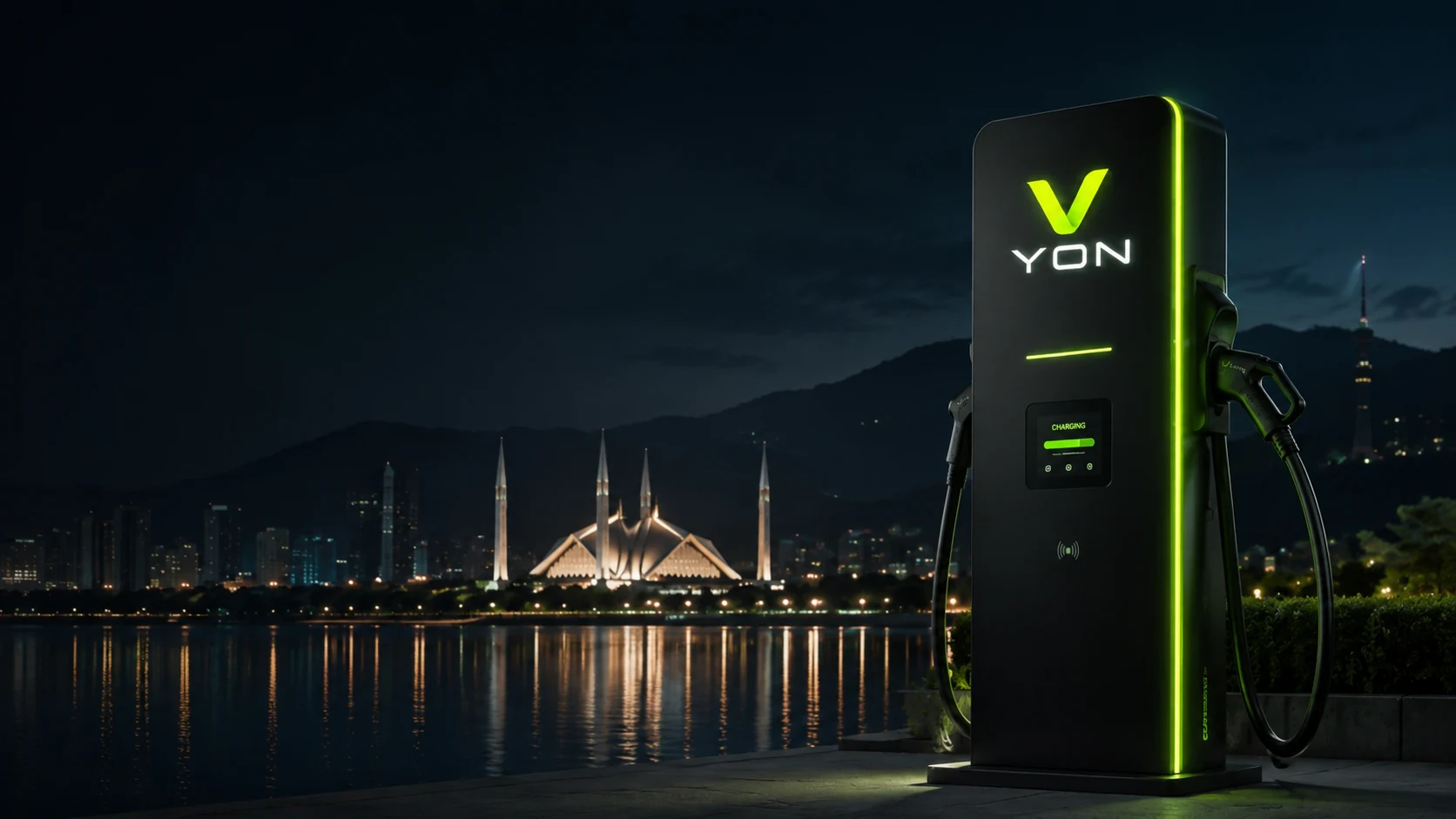
A successful public site connects three things: where drivers need energy, how long they are likely to stop, and what the electrical infrastructure can deliver. VYON uses those factors to shape the charging environment before deployment begins.
The site is considered in relation to vehicle activity, surrounding destinations, route relevance, parking availability, accessibility, and the type of charging demand the location may attract.
Available electrical capacity is reviewed alongside expected usage. AC charging, DC fast charging, or a mixed configuration can then be considered according to site throughput and anticipated dwell time.
Parking bays, charger positioning, cable reach, vehicle movement, signage considerations, and user access are planned so charging fits naturally into the location rather than disrupting normal site activity.
Electrical and civil works, protection, charger setup, testing, and commissioning form the physical deployment stage. VYON can coordinate EV charger installation according to the approved public charging plan.
Monitoring, charger status, connected management, and network integration become important once equipment is operating. Property owners interested in contributing a location can also explore how to host a VYON charger.
A useful public charging location combines practical vehicle access with a reason for drivers to stop. Traffic patterns, dwell time, available parking, electrical capacity, surrounding amenities, route relevance, and expected EV demand all help determine whether a site is suitable and what type of charging should be considered.
DC fast charging can be particularly useful on highway and intercity routes because drivers usually want to continue their journey without remaining parked for several hours. The required charging power still depends on vehicle demand, site capacity, expected turnover, electrical infrastructure, and the role of that location within the wider route.
Yes. AC charging can make sense at destinations where drivers naturally remain for longer periods, such as hotels, parking facilities, workplaces, or leisure locations. Public charging does not automatically mean DC fast charging. The appropriate charger should reflect how long vehicles typically stay at that particular site.
Charger quantity should be based on expected driver demand, vehicle turnover, available electrical capacity, parking availability, charger output, and future growth. A site may begin with a smaller number of charging points while electrical and physical infrastructure is planned so additional chargers can be introduced later.
Potentially, yes. Existing properties can be assessed for parking access, electrical capacity, traffic potential, driver dwell time, and the practical space required for charging infrastructure. Site owners interested in a public-facing deployment can host a VYON charger and begin with a location assessment.

A public charging site can connect cities, support local drivers, or turn an existing destination into a useful stop for EV users. Talk to VYON about the property, route, traffic environment, and available power so the right public charging approach can be explored.