
Home / EV Charger Installation
A charging point has to work with the electrical system, parking layout, vehicle demand, and daily use of the site. VYON delivers EV charger installation in Pakistan for homes, businesses, fleets, and public locations, from initial assessment through testing and commissioning.
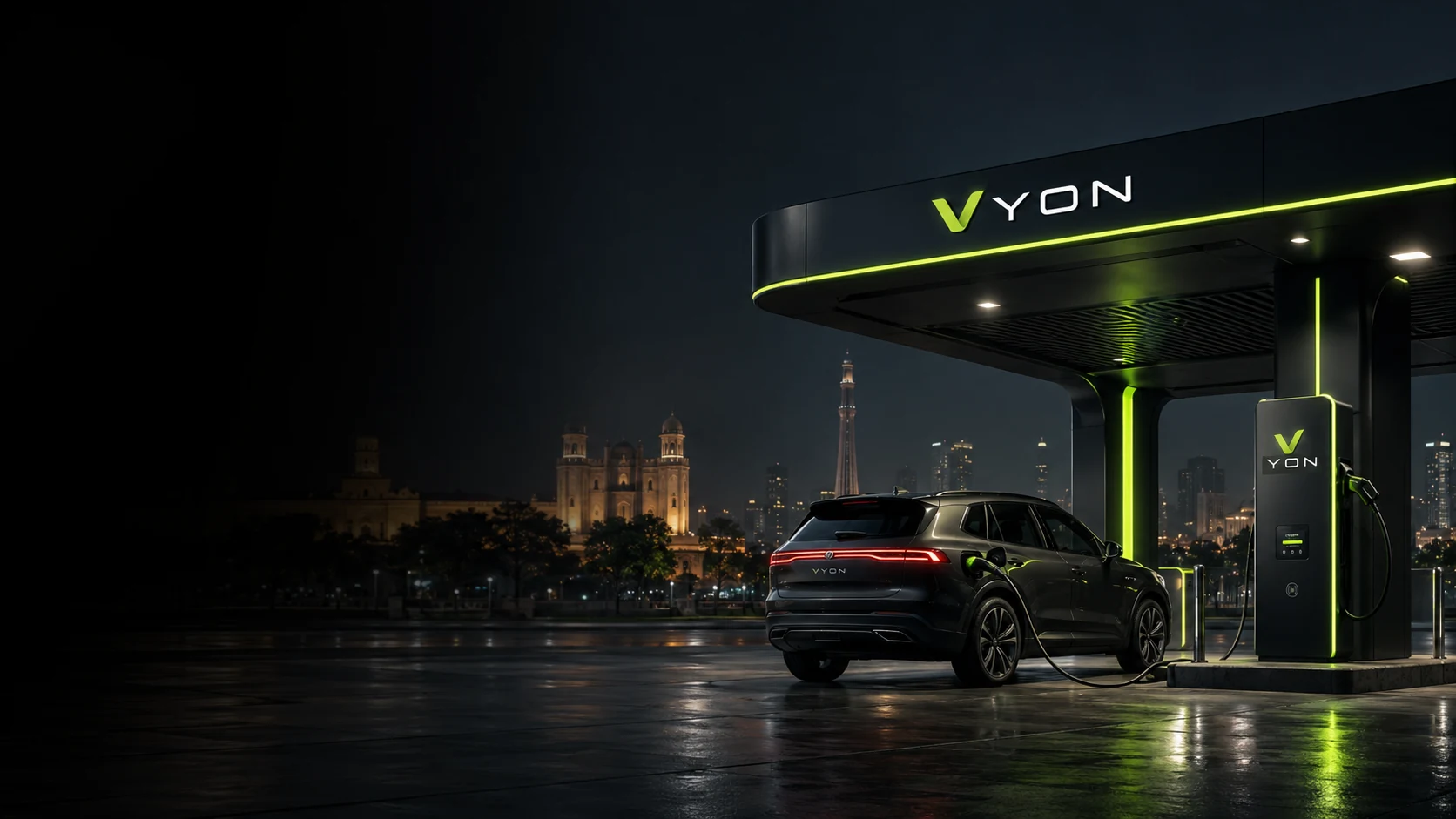
The installation changes with the environment. A wall-mounted home charger, a group of workplace charging points, and a public DC charging site place very different demands on power supply, protection, cable routing, access, and supporting infrastructure.
Dedicated charging for houses, garages, and private parking spaces where Residential EV charger installation can be planned around the vehicle, available electrical capacity, and normal parking routine.
Shared and allocated parking areas may require additional planning around distribution, cable distances, access, metering, and how charging demand is divided between residents.
Employee, visitor, and company-vehicle charging can involve several charging points, longer dwell times, controlled access, and electrical load that needs to fit around existing building demand.
Hotels, malls, retail destinations, and mixed-use developments often require Commercial EV charger installation that balances customer dwell time, charger quantity, accessibility, and available power.
Vehicle schedules become part of the electrical design. Depot installations need to consider how many vehicles return together, how long they remain parked, and how much energy must be delivered before the next shift.
Installation for public charging infrastructure can involve higher-use equipment, DC charging, accessible parking layouts, network connectivity, and supporting electrical or civil infrastructure suited to regular driver turnover.
A finished installation may look simple from the parking bay. Behind it are decisions about electrical capacity, cable sizing, protection, mounting, civil work, communications, and the charging demand the site can safely handle.
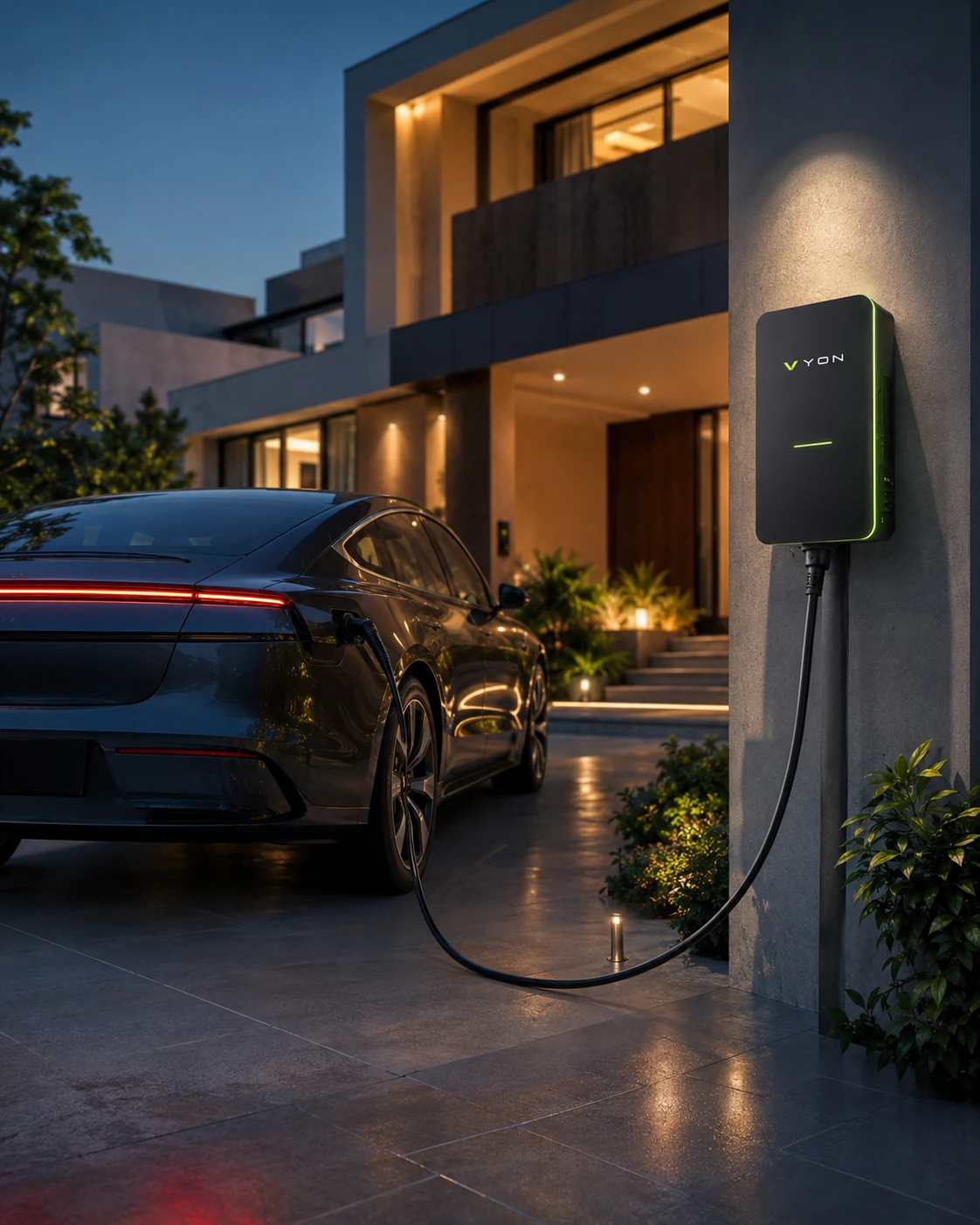
EV charging infrastructure installation moves through several technical stages. The exact scope depends on the site, but each stage has a specific purpose before the charger is ready for normal use.
Parking layout, proposed charger position, existing electrical supply, available capacity, cable route, and expected charging demand are reviewed before the installation is specified.
AC or DC charging, vehicle compatibility, charger quantity, mounting position, accessibility, and likely charging behavior are considered together to shape the installation plan.
Cabling, distribution changes, trenching, mounting bases, wall installation, routing, and related site work are completed where required by the project.
Protective equipment, electrical connections, charger operation, and system functions are checked before normal use, with installation decisions aligned to relevant EV charging regulations and safety considerations.
Supported software or network functions are configured where applicable, followed by operating guidance, project handover, and a pathway for future maintenance or support.
EV charger installation cost varies because two sites using the same charger may require very different work. Cable distance, electrical capacity, distribution upgrades, civil works, protection equipment, charger quantity, and whether the project uses AC or DC charging all affect the scope.
The electrical supply needs to be reviewed against the proposed charger load and the site’s existing demand. A site assessment can identify available capacity, possible connection routes, charger positions, and whether electrical changes should be considered before installation.
No. AC and DC charger installations can differ considerably in power requirements, equipment, electrical infrastructure, protection, physical footprint, and intended use. The charger type should be selected after considering the site and vehicle demand rather than treating them as interchangeable options.
Installation time depends on the site and scope. A straightforward AC charger installation may be completed relatively quickly, while projects involving electrical upgrades, trenching, multiple chargers, civil works, or DC equipment can require additional planning and installation time.
In some projects, yes. Charger integration can be planned alongside solar generation, load management, monitoring, or other EV charging technology where the electrical setup and selected equipment support those functions.

Tell VYON where charging is needed, what type of property or facility is involved, and how the vehicles are expected to use it. We can begin with the site conditions and define the installation requirements from there.